Two Reasonable Questions
My previous article, along with the accompanying whitepaper, outlined the existence of voters registered to nonexistent addresses within Nevada Assembly District 11. My (at present) tiny list of readers may feel the need ask a couple of reasonable questions. The first question probably would be, "Why did you wait until so close to the election to release this?"
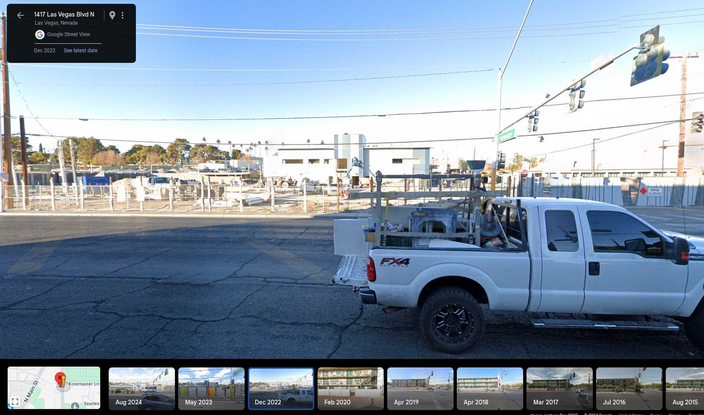
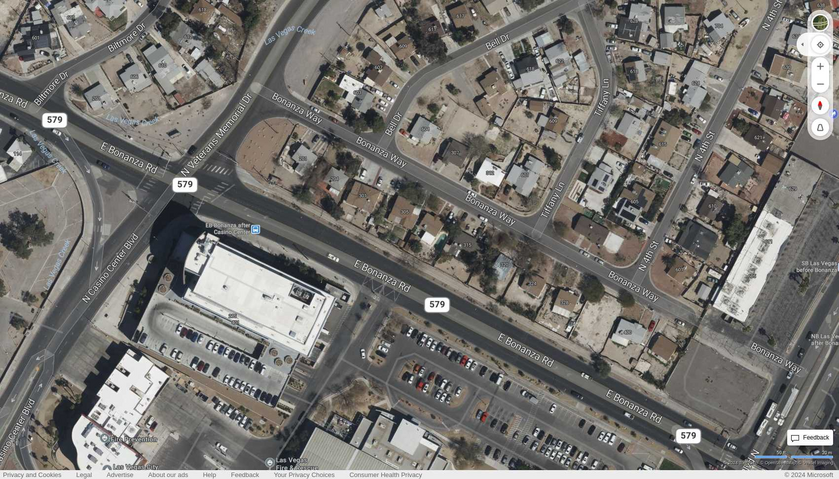
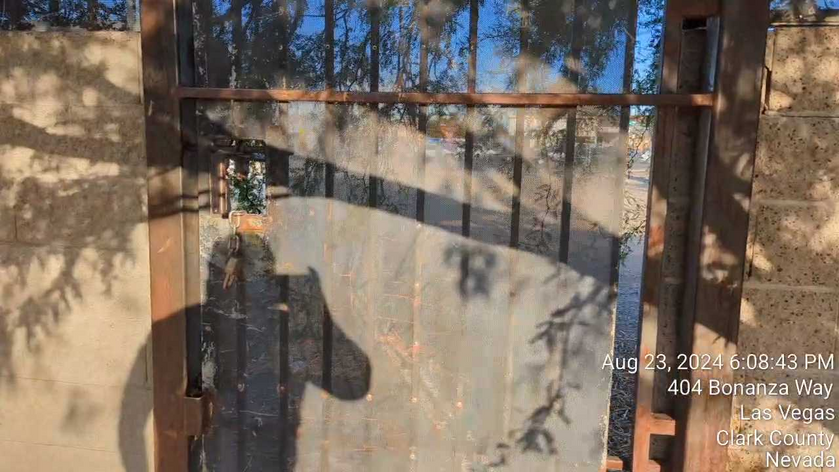
The answer to that question may be a little boring. It took time to gather my data, analyze it, and make conclusions based on it (and no, this is not a "cop out"). Before July, I had been attempting to geocode various addresses in Assembly District 11, and through that process I did find a few nonexistent addresses with voters registered to them. While I did suspect that there were more voters registered to nonexistent or otherwise invalid addresses, I did not have a reproducible method of finding such addresses.
Following the 2020 election, a few political figures, including Sidney Powell and Lin Wood, made grandiose claims about electoral fraud. The evidence they presented for this was, at best, underwhelming. The mainstream media may not have fairly represented their views, but I do believe that they made extreme claims that were not backed by extreme evidence. While I do not believe that it is fair to claim that they lied about election fraud, their claims did give normal, reasonable people the impression that they, along with Donald Trump, were just being sore losers. As the introduction to John Fund and Hans von Spakovsky's book Our Broken Elections: How the Left Changed the Way You Vote (a book that I highly recommend, by the way) states, these claims did "real damage" to those who were trying to restore election integrity in these United States.
I believe that trying to analyze a problem like voters registered at nonexistent addresses requires a person to back their assertions with credible evidence. This requires work, which requires time. While I did attempt to work as quickly as I could to try to release my findings before the election, I realized that any claims I made had to be informed by data. Thus, I decided that my research would take as long as it needed to take, even if that meant releasing my findings after the election. Of course, releasing it beforehand would be ideal, and I am glad that I was able to release it beforehand, but even so, projects of this nature should not be rushed at the expense of proper analysis.
This leads to the next reasonable question my readers may have, which is, "Since the 2024 election is now over, should we still care about clean voter lists?" My answer, unequivocally, is yes.
Clean Voter Lists Are Still Important, But Cleaning Them Takes Time
In the preceding paragraphs, I stated that my research took a lot of time. This is important to remember. I started gathering data in the middle of July of this year, and it took until almost the end of October to publish my findings. This was my failing. However, my example does illustrate how only paying attention to this issue during an election year can be counterproductive. Even if you think you have set aside enough time to find evidence of invalid voter registrations, faulty voter machines or software, or whatever else you want to investigate, you may not have enough evidence of it before an election occurs, and even then it may be too late to change policy. This may, in fact, be a key reason for why Sidney Powell and Lin Wood's evidence of "fraud" in 2020 was so underwhelming.
For that reason, individuals and organizations need to keep at least one eye on election-related infrastructure and policy twenty-four hours a day, three hundred sixty-five days a year. Meanwhile, political parties must prioritize holding election officials responsible for keeping voter registration lists clean. This responsibility should be considered second only to finding and supporting the best qualified candidates in elections. Since major elections in this country occur for a few months every two years, this would mean that most of the time, holding election officials accountable must be their highest responsibility.
Similarly, we the people are responsible for understanding election laws in our respective states. We are also responsible to elect leaders who will take election integrity seriously, and not just say things like why can't the government just [insert vague statement here]. When possible, we should confront our leaders from a place of knowledge, rather than simply present platitudes based on our sensibilities. And when our leaders do not listen to us, we should confront the leaders of our political parties to use their power to advocate for us. In Nevada, NRS 293.440 prescribes that major political parties' state and county committees must receive free copies of the voter list, and that minor political parties may receive them upon request. These lists can be used to aid in this endeavor.
What I Will Be Doing
I created my Locals community to bring the issue of voters registered at nonexistent addresses in Nevada Assembly District 11 to light. I chose Locals because they had a clean interface for articles and because I was confident that they would not censor me. With what I have learned from this project, I do believe that I am obligated to continue exploring this issue. As a software developer, I also want to continue to demonstrate how such skills can facilitate the analysis of voter rolls. If more people learn these skills, I believe that they can be used to put power back in the hands of the people with the resolve and discipline to use them, rather than in the hands of bureaucrats and so-called "experts". We may find that these skills not only aid in cleaning voter rolls, but in other areas as well. I invite you to join me as I explore this process, along with other topics that interest me.